




How educators help build positive relationships in childcare

Handing your child over at drop-off takes trust. Not just trust in the safety checklist, but trust that someone in that room genuinely knows your child: what settles them, what sparks their curiosity, and what their "I need a cuddle" face looks like.
That knowing is built through relationships, and it's the quiet engine of everything else that happens in childcare. Here's why educator-child relationships matter so much, how good educators build them, and what the national standards say your child is entitled to.
Search childcare near you.
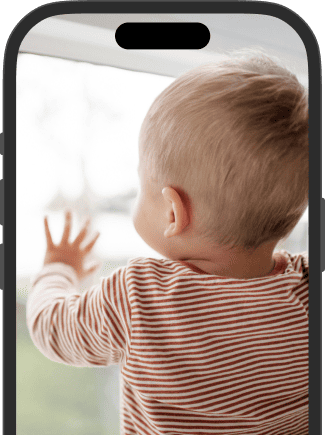
Why are positive relationships so important in childcare?
Positive educator-child relationships help children feel safe and secure, and that sense of security is the base for all early learning. Secure attachments with responsive educators ease drop-off anxiety, support brain development in the first years, and teach children to manage their emotions, read others and get along with their peers.
For babies and toddlers especially, a trusted educator works like a home base. When your little one knows a familiar adult will respond to them, they relax enough to explore, play and learn. Those warm, back-and-forth interactions do real developmental work too: responsive care in the early years stimulates the neural connections behind cognitive, emotional and social growth.
The payoff runs long. Children who experience secure early relationships tend to find it easier to make friends, cope with setbacks and settle into school. If you'd like the theory behind it, our guide to attachment theory in early education and care goes deeper.
What does the National Quality Standard say about relationships?
Relationships are considered so central to quality childcare that they have their own Quality Area under the National Quality Standard (NQS). Quality Area 5, Relationships with children, sets out what every Australian service is assessed against:
The key elements included under this quality area include:
- Standard 5.1, relationships between educators and children: respectful and equitable relationships are maintained with each child. Its elements cover positive educator-to-child interactions (responsive, meaningful interactions that help each child feel secure, confident and included) and maintaining the dignity and rights of every child.
- Standard 5.2, relationships between children: each child is supported to build and maintain sensitive and responsive relationships. Its elements cover collaborative learning (children learning from and helping each other) and self-regulation (managing their own behaviour and resolving conflicts)
How do educators build positive relationships with children?
Educators build relationships through everyday practice: a welcoming environment, responsive communication, supported social play, consistent routines, positive reinforcement and role modelling. None of it is flashy, and that's the point. Trust is built in hundreds of small, reliable moments.
1. Creating a supportive environment
Children open up when they feel safe and valued, so educators start with a warm, welcoming room. A secure child is a curious child, and educators who create that security get invited into a child's explorations, which is where rapport really grows.
2. Responsive communication
Good educators listen more than they broadcast. They notice what a child is trying to say, with words or otherwise, and respond in a way that shows the child they've been understood. Feeling heard builds trust, and it also encourages children to keep expressing themselves, which feeds language and independence.
3. Supporting friendships between children
Educator bonds are half the picture. Educators also set up plenty of chances for children to play and work together, coaching them through sharing, turn-taking and the occasional sandpit dispute. Those peer skills, recognised in the NQS as collaborative learning, are the foundation for friendships throughout life.
4. Consistency and predictability
Most children thrive on routine. When the rhythm of the day and the expectations within it stay steady, children spend less energy on uncertainty and more on play and learning. Reliable care from the same trusted faces, day after day, is what turns familiarity into trust.
5. Positive reinforcement
Noticing and naming what children do well encourages them to do more of it. It also builds their confidence to have a go at hard things, because they know effort gets seen. And children who get warm attention for positive behaviour have far less reason to chase attention the other way.
6. Role modelling
Children copy the adults around them, constantly. When educators show patience, kindness and respect in their own interactions, children absorb and replay those behaviours with each other. It's one of the most powerful teaching tools a service has, and it costs nothing.
How do educators build relationships with families?
Educators partner with families by sharing what happened during the day, discussing goals, and keeping routines consistent between home and care. You know your child best, and good educators treat your insights about preferences, needs and milestones as essential information, not small talk.
That two-way flow matters more than it looks. When home and care take a consistent approach to sleep, food, behaviour guidance and learning, children feel secure in both places. The strongest services also invest in relationships between their own educators, because a team that communicates well gives children consistent care across the whole day. Our guide to the role of educators in a child's life looks at this bigger picture.
What should you look for as a parent?
You can see relationship quality with your own eyes, usually within minutes of walking into a service. On a tour or at pick-up, look for:
- Educators at children's eye level, talking with children rather than over them.
- Children approaching educators freely, for help, comfort or just to show off a block tower.
- Back-and-forth conversations, where educators respond to what children say and do, rather than only directing.
- Warm, unhurried transitions, at meals, nappy changes and rest times, not just during planned activities.
- Staff stability. Ask how long educators have been at the service; relationships need time, and low turnover protects them.
The relationships your child builds at care are doing more work than any program brochure can show. Trust what you see in the room: children who are relaxed, chatty and comfortable with their educators are telling you everything you need to know. And on the days when drop-off is still teary, our tips on reconnecting with your child after care can help the evenings feel closer.
Get childcare and parenting news straight to your inbox





Comments (0)