



Edge Early Learning is helping children navigate big feelings early, building confidence, resilience, and readiness for what comes next.
As parents, we learn pretty quickly that our role as guardians isn’t just about snacks, sleep schedules, and bear hugs (though yes, those are very important). It’s about watching tiny humans navigate big feelings — for example, the disappointment of a toppled block tower, the frustration of a missing toy, or the uncertainty of a new environment — and hoping we’re giving them the tools to cope with all of it.
So, what if early education could consciously build this emotional intelligence alongside literacy and numeracy? That’s exactly the thinking behind something exciting happening right now at Edge Early Learning, and it’s reshaping how our littlest learners grow.
Delivered in partnership with Life Ed Queensland, whose Healthy Harold character has been supporting children’s wellbeing education for decades, the program has been thoughtfully adapted for early learners.
This year, Edge became the first provider in Queensland to embed Life Ed Queensland’s wellbeing and safety program across every centre. Rather than a one-off visit or standalone activity, it’s delivered as a structured, year-long learning journey that sits naturally within everyday practice. Here’s why it works.
Learning for real life, not just the classroom
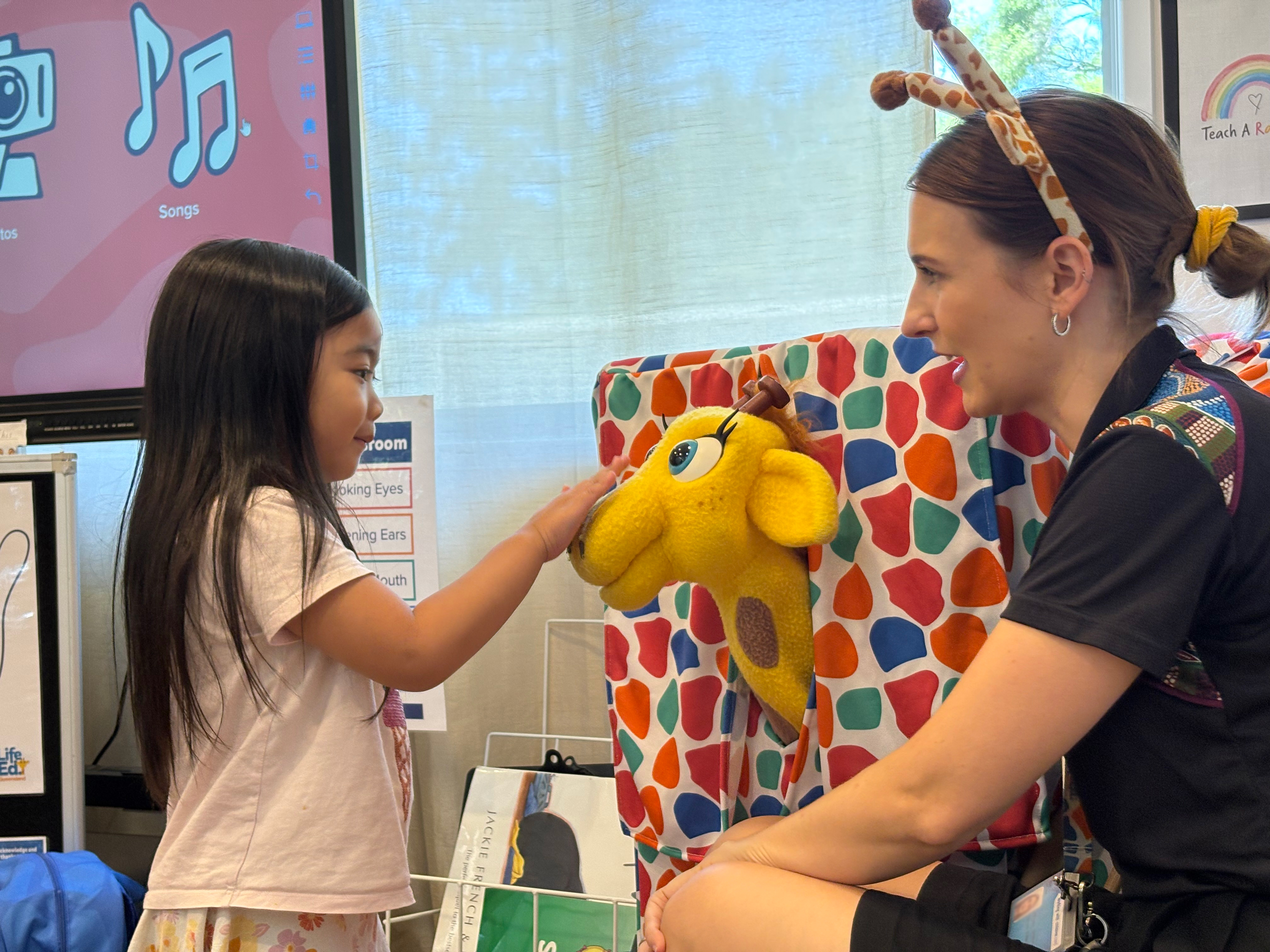 Here’s the secret that modern educators have known for years: emotional confidence builds resilience. Recognising feelings, understanding personal boundaries, navigating disagreements and asking for help are foundational skills. And not just for school, but for life.
The Life Ed partnership at Edge reflects this whole-child approach. Across the year, children explore emotional literacy, personal boundaries, healthy routines, early digital awareness, and school readiness through age-appropriate lessons delivered by trained educators, supported by Life Ed specialists.
Instead of waiting until school age to introduce concepts like wellbeing and safety, Edge Early Learning is placing them at the centre of early learning. Emotional awareness, like any lifelong skill, becomes easier and more intuitive when it’s introduced early and reinforced consistently.
When children have the words, behaviour changes
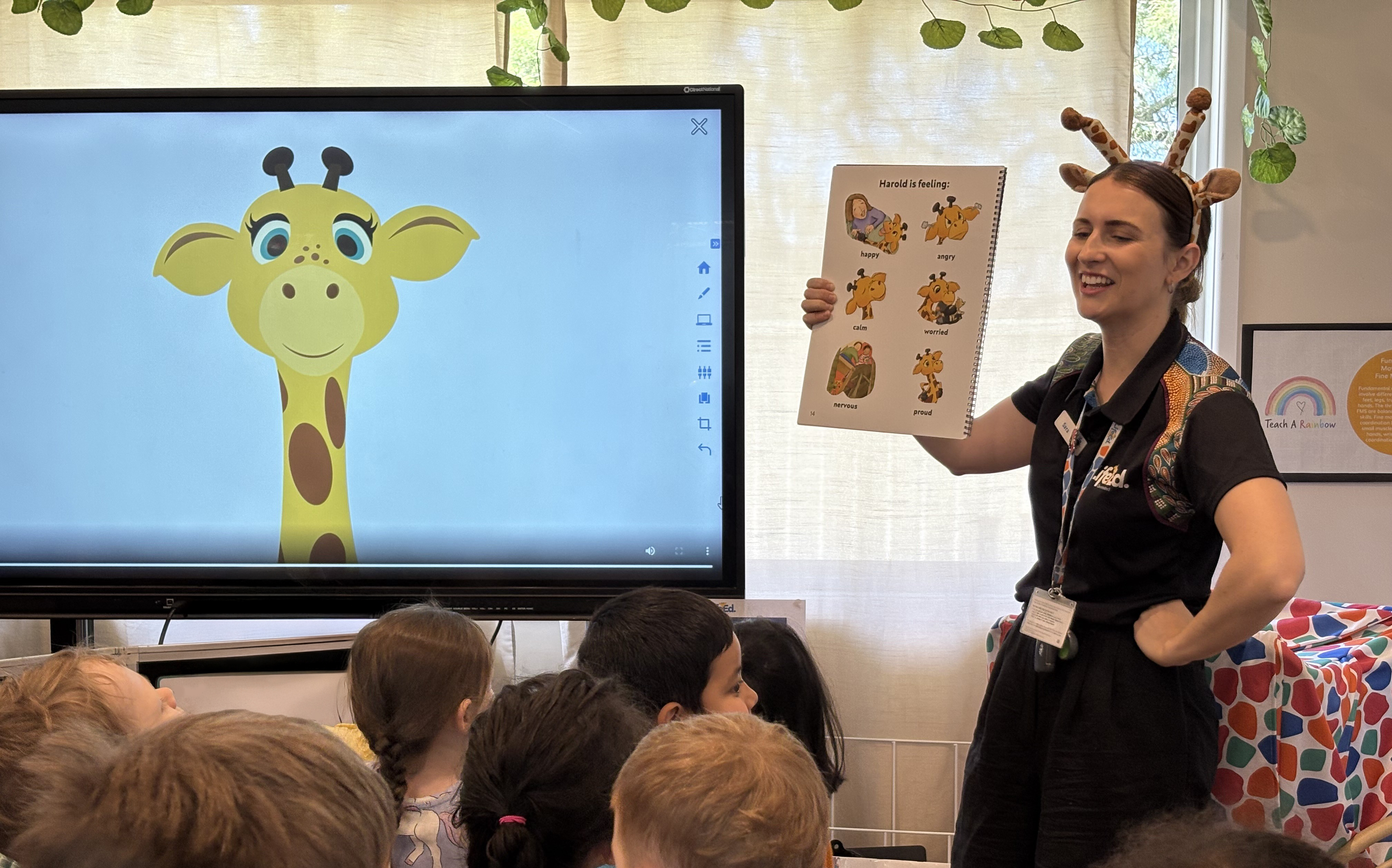
Parents often notice the impact first at home. Children begin naming emotions more confidently. They articulate when something feels uncomfortable. They start to understand the idea of personal space, kindness and respect in practical, everyday situations.
This is one of the most powerful outcomes of the program. When children are given language to describe how they feel, they’re better equipped to regulate their behaviour and seek support when they need it. These skills don’t disappear when children leave early learning. They continue into primary school and beyond.
A partnership that support families
Lessons are embedded within the curriculum and supported by professional development for educators, ensuring wellbeing education is delivered with care, confidence and consistency. Children, educators and families are connected through a shared language that supports learning over time.
Across the year, children explore four key themes, introduced in developmentally appropriate ways and revisited as they grow:
- Term one: Big feelings
Children learn to recognise and navigate emotions, building confidence and connection. - Term two: Boundaries
Age-appropriate lessons introduce personal space, consent and respect for themselves and others. - Term three: Digital Safety and Balance
Healthy routines and early digital awareness are explored in ways children can relate to. - Term four: Big school
Independence and social readiness are supported as children prepare for their next transition.
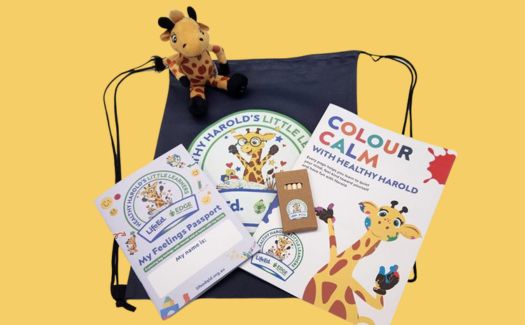
Families are also included in the learning journey. Take-home resources, conversation prompts and parent sessions help bridge learning between the centre and home, making it easier for parents to reinforce messages in everyday moments.
Preparing children for the next stage, and the one after that
One of the most significant parts of the program focuses on school readiness, not just academically, but socially and emotionally. As children approach their transition to primary school, they build independence, resilience and confidence in navigating new environments.
These are the skills that help children raise their hand, form friendships, and adapt to change. They are also the skills that reduce anxiety during big transitions, something many families experience as their child prepares for school.
By embedding this learning early, Edge is helping children step into their next chapter feeling capable rather than overwhelmed.
A future-ready foundation
We’re raising a generation growing up in a world that moves fast, feels complex, and asks a lot of our children… and our parenting instincts. By embedding wellbeing education before school even begins, Edge Early Learning is giving children something powerful: the language to understand themselves, the courage to reach out when they need help, and the confidence to step into the next stage of life with joy and curiosity.
Because when children learn to understand themselves early, they’re better prepared for whatever comes next.
If you’re currently researching early learning options, Care for Kids can be a helpful place to compare centres, understand availability and explore what different providers offer in your local area, including Edge Early Learning.


